









Using AV solutions to support learning Creating Active Classroom, Active Learning
Why is AV technology important in classrooms today?
Because the post-COVID world has changed, so have the behaviors of learners. Learning institutions are now designed to reach students both in and outside the classroom by implementing technology to break down barriers to education access for everyone.
Increasing the interest in lessons with the use of presentation equipment and smooth lectures, while easily connecting to other educational applications and platforms, creates a new experience for both learners and teachers. Ensuring that every teaching aligns with objectives and learners benefit maximally from the learning process.
Easy control
Instructors can easily control both visual and audio devices by themselves, along with wireless device connectivity systems.
Create collaboration
With technology, sharing content from both students and teachers becomes seamless through various forms of devices.
Seamless Learning Experience
Eliminate constraints on accessing education-learning can be accessed anywhere through technology.
Let’s see how AV technology supports education.
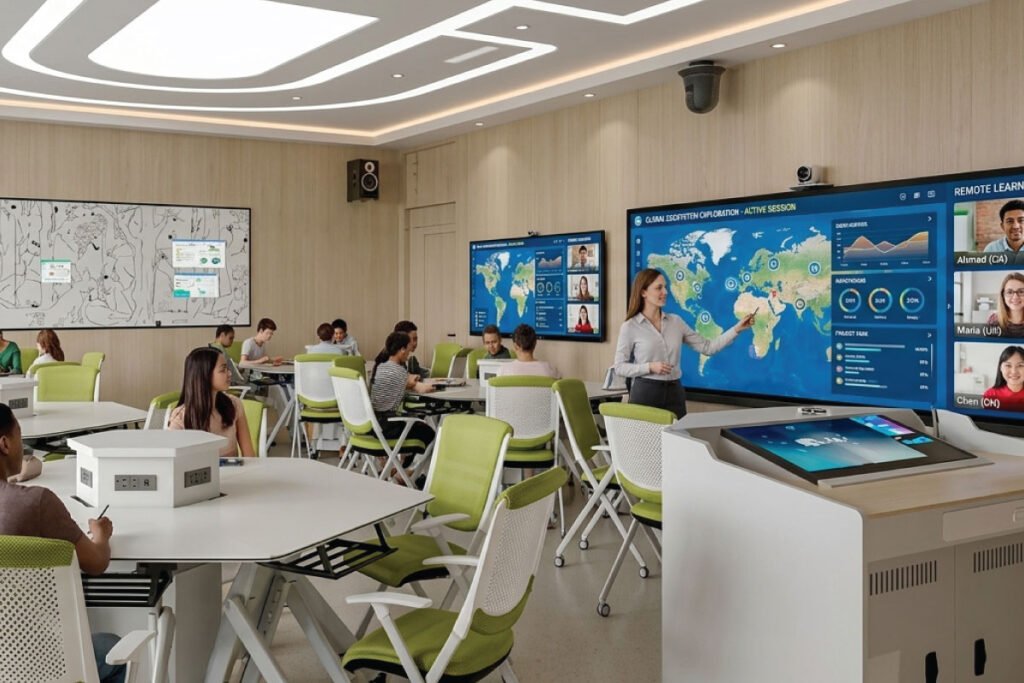
Different areas require different functionalities, necessitating diverse technologies to align with various teaching and learning methods. Whether it’s classrooms primarily used for lectures and content presentation, Active learning classroom, training rooms, skill laboratory or auditoriums requiring high-quality audiovisual solutions for communication, all these spaces can benefit from AV technology to support education effectively and efficiently.
Lecture Capture System
This system is utilized for later viewing, serving as a learning resource that enables students to access content at different times. It may also be used for convenient review and additional learning after the fact.
Auto-tracking Auto-Switching PTZ camera system
Controlled automatically, it manages motion, including Pan (left-right rotation), Tilt (up-down movement), and Zoom (in-out magnification) even automate camera switching all controllable via automated systems. This ensures crucial moments are not missed during recording, offering flexibility, speed, and the ability to install in various locations such as conference rooms, lecture halls, and laboratories.
Wireless Presentation Systems
These systems allow content presentation without the need for wired connections, utilizing Wi-Fi communication to trans mit content from devices to display conveniently and quickly. Users can easily present content from devices such as tab lets, smartphones, or computers, offering simplicity and flexibility.
Touch-Enabled Display or Interactive Smartboards
Easily controlled with touch gestures and specialized writing tools, these systems facilitate smooth operation through the screen, including functions like scrolling, writing content, adding information, and sharing content. They can connect to the internet and various applications to create diverse and engaging learning experiences.Easily controlled with touch gestures and specialized writing tools, these systems facilitate smooth operation through the screen, including functions like scroll ing, writing content, adding information, and sharing content. They can connect to the internet and various applications to create diverse and engaging learning experiences.
Media Distribution System
With a set of devices for transmitting audio and video to devices or equipment within the same network simultaneously, this system enables allow multi-classroom application. User can control and access various media easily and conveniently.
Microphone and Distributed Audio Systems
Difference learning space require difference audio system design. Correct integrated audio system is critical for teacher and student experience. Audio systems typically consists of different part which providing a specific function such as wire less microphone, array microphone, signal processor and speakers.
Related Product
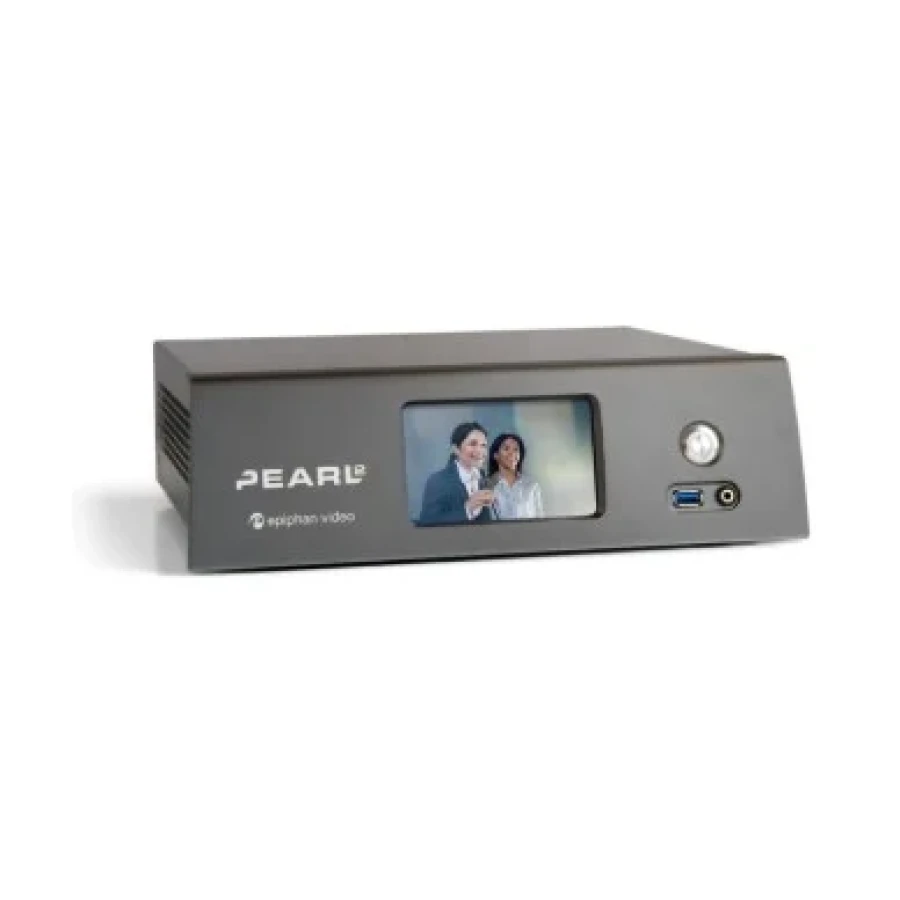
Epiphan
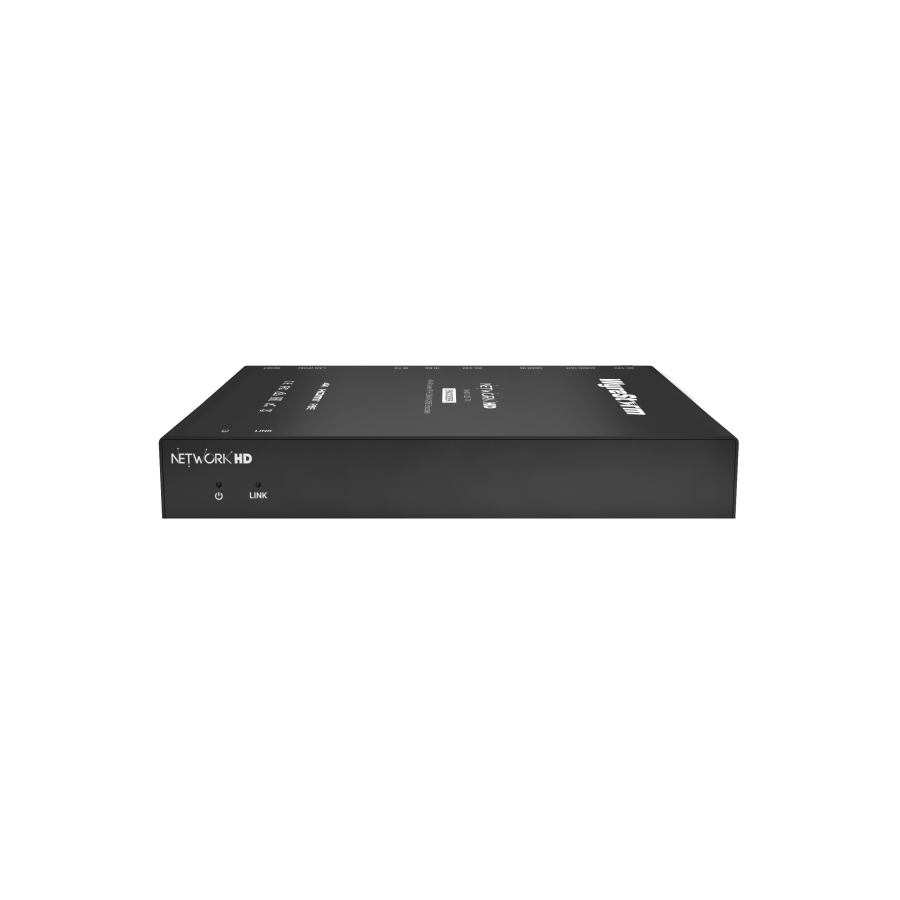
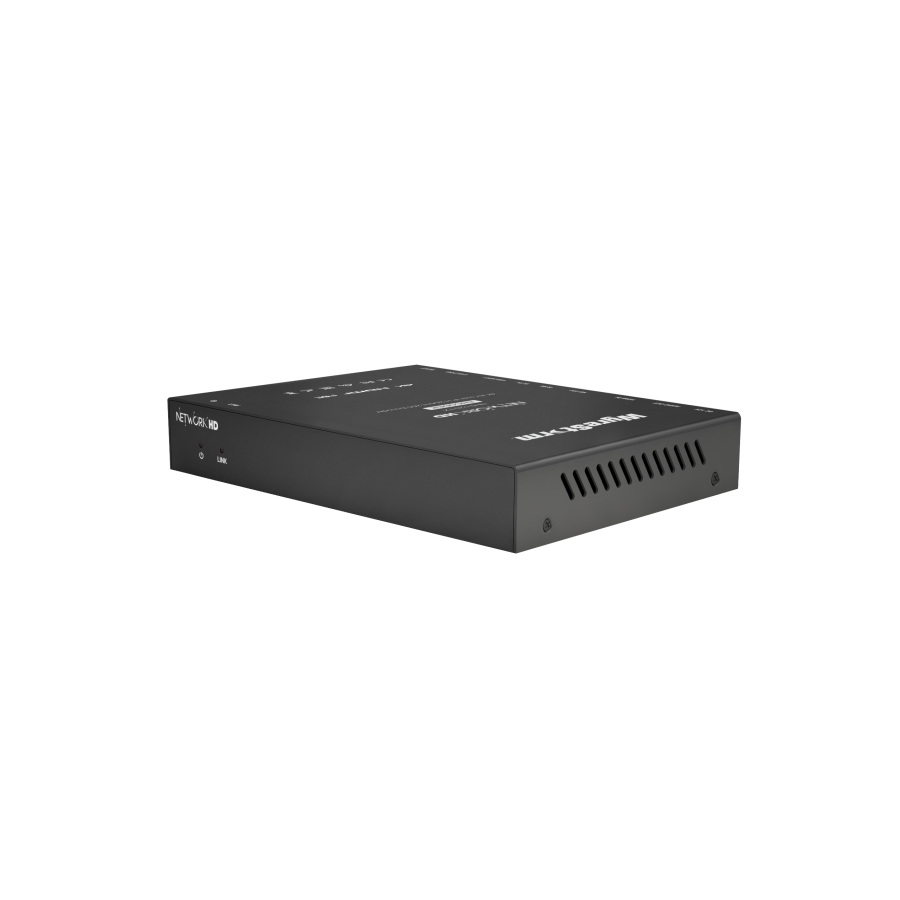
Low Bandwidth AV over IP (1G)
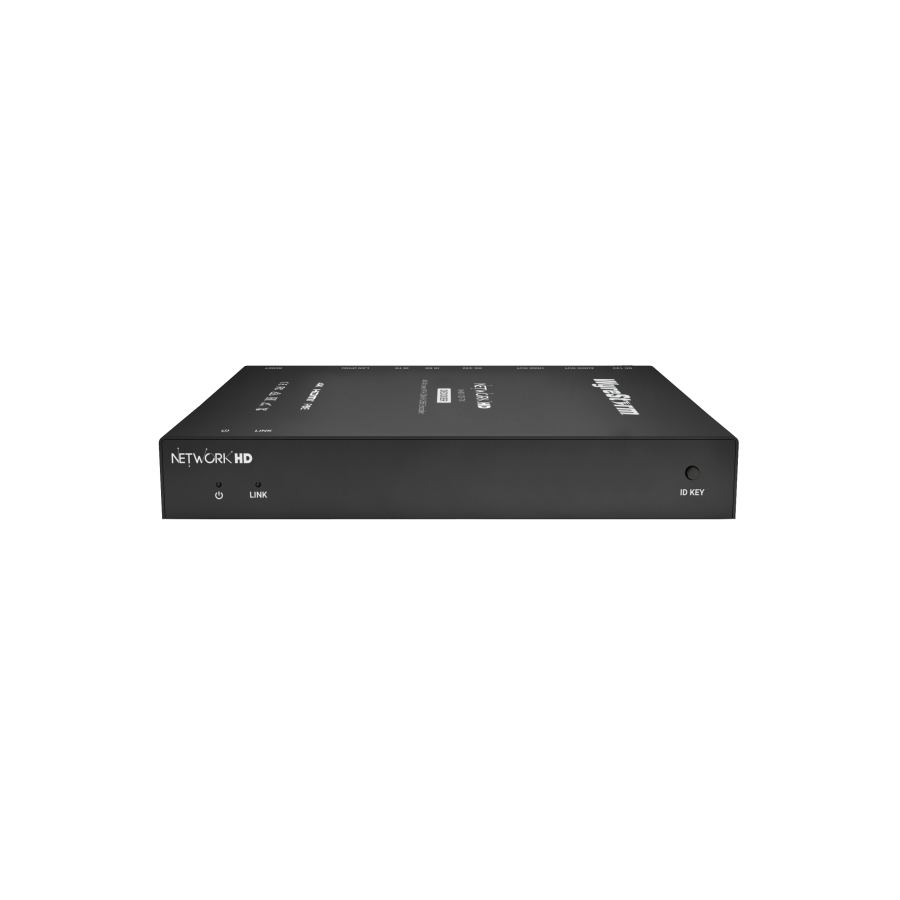
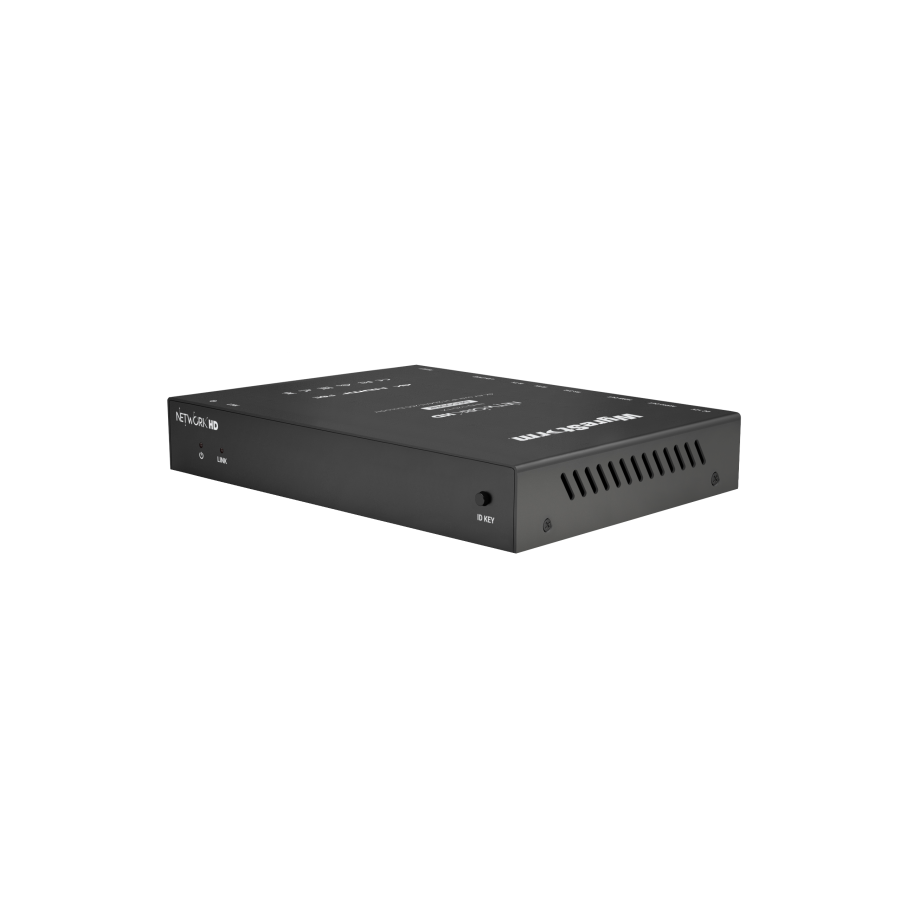
Low Bandwidth AV over IP (1G)
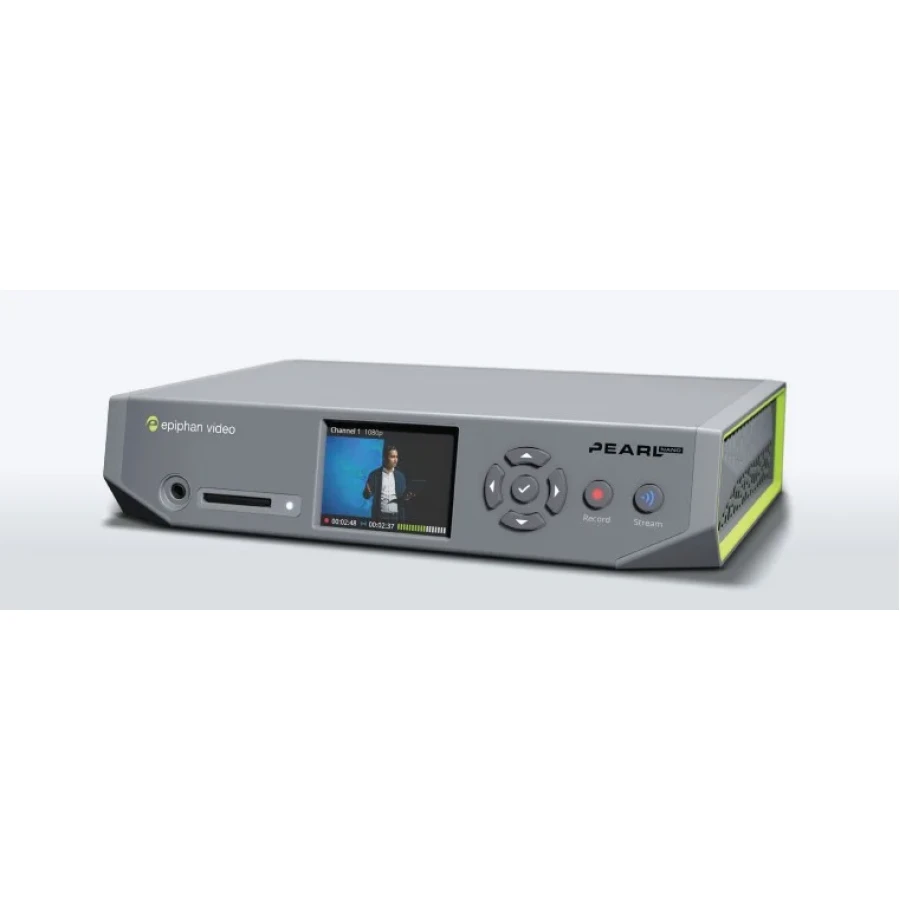
Epiphan


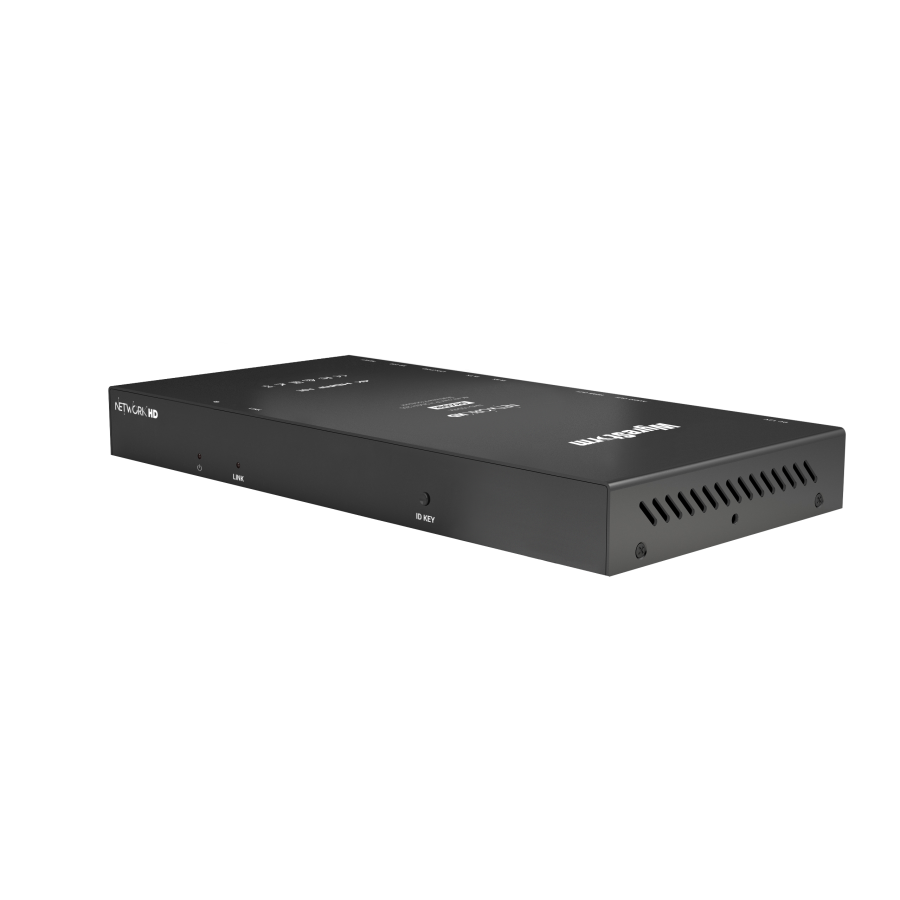
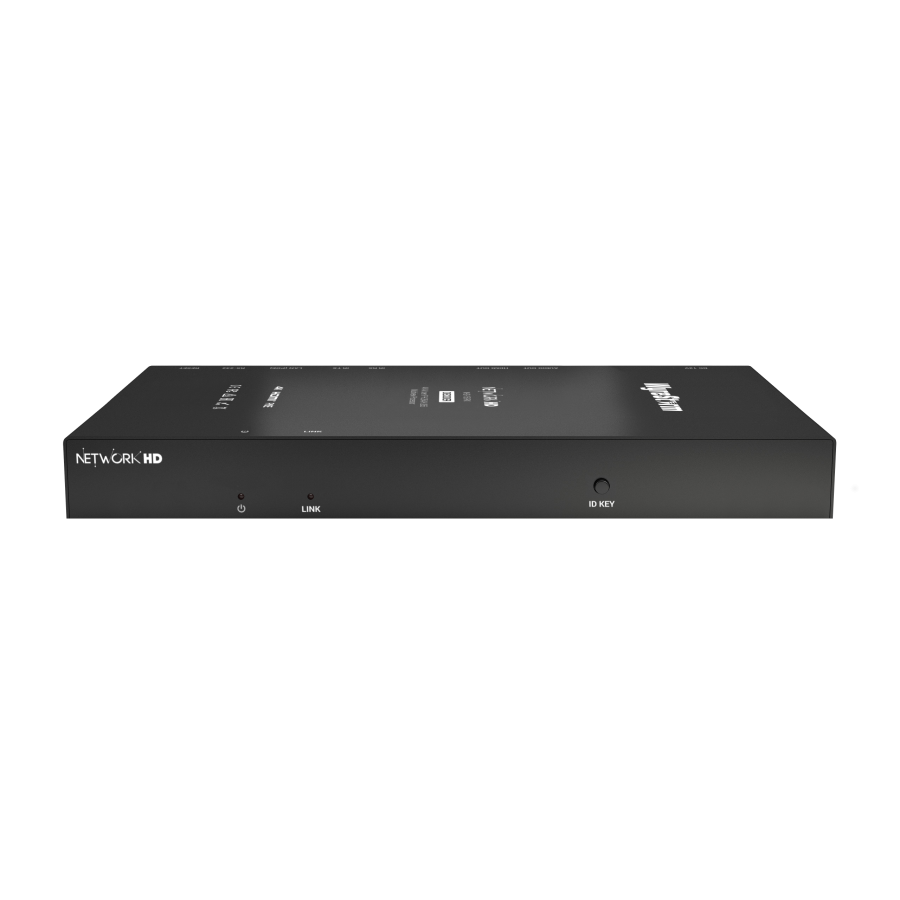
Low Bandwidth AV over IP (1G)
Network AV Over IP
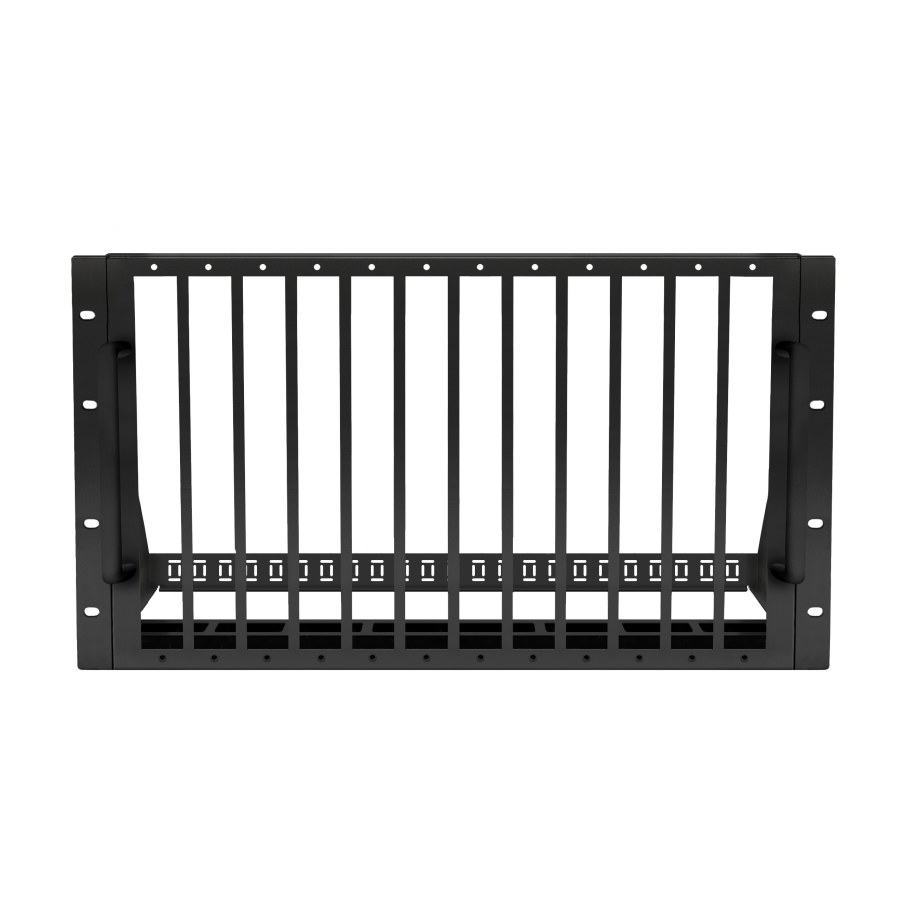
6U/12 Slot Rack Mount for NetworkHD 100/250/400/500/600 Series